Your shopping cart is currently empty.

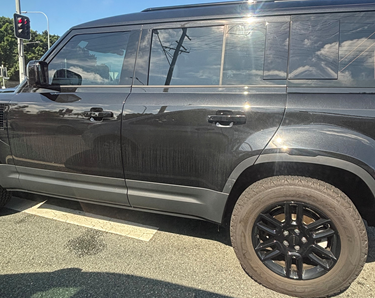
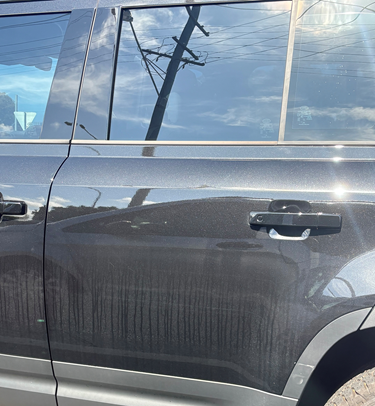
A LaserWash Touchfree Automatic relies on precision engineering to deliver consistent cleaning performance. Water pressure, chemical delivery, spray patterns and system timing all work together to produce the wash quality customers expect.
While operators often focus on pumps, motors, sensors and other major components, one of the most critical elements of wash performance is also one of the most overlooked: the spray nozzles.
Nozzles are responsible for directing high-pressure water and chemicals onto the vehicle exactly as intended. When a nozzle becomes blocked, damaged or worn, wash quality can decline significantly. In many cases, the effects develop gradually enough that operators may not notice the problem until customer complaints, increased operating costs or poor wash results become apparent.
Regular nozzle inspection and maintenance are essential for maintaining wash quality, controlling operating costs and ensuring the long-term reliability of your LaserWash system.
1. Consistent Wash Quality Starts at the Nozzle
Every nozzle in a LaserWash system is engineered to deliver a specific spray pattern, angle and flow rate. Together, these nozzles ensure complete vehicle coverage throughout every stage of the wash process.
When a nozzle becomes blocked, partially obstructed or worn, its spray characteristics change. This can create:
Customers expect the same high-quality wash every time they visit. Even a single poorly performing nozzle can affect the overall wash result and reduce customer confidence in your facility.
2. Nozzle Wear: The Hidden Performance Killer
While blocked nozzles are relatively easy to identify, nozzle wear is often much more difficult to detect and is frequently overlooked during routine maintenance.
Over time, the constant flow of high-pressure water gradually erodes the nozzle opening. This wear increases the size of the orifice and changes how water exits the nozzle.
A worn nozzle may appear perfectly clean and fully functional while causing significant performance issues, including:
Because wear occurs slowly, operators often adapt to declining wash performance without realizing the nozzle itself is the source of the problem.
Nozzles should be viewed as wear components that require periodic inspection and replacement, not permanent parts that only need attention when they become blocked.
3. Accurate Chemical Application
The performance of detergents, presoaks, waxes and protectants depends on accurate application.
When chemical nozzles become blocked, partially restricted or worn, chemical delivery rates may no longer match the manufacturer's specifications.
This can result in:
In some cases, operators increase chemical concentrations to compensate for declining wash quality when the real problem is nozzle wear or improper spray patterns.
Properly maintained nozzles help ensure that every product is applied at the correct volume and concentration.
4. Protecting Customer Satisfaction and Your Reputation
Customers judge a wash by the final result, not by the condition of the equipment behind the scenes.
A vehicle leaving the wash with missed areas, poor rinsing, uneven chemical coverage or reduced cleanliness can negatively affect the customer's perception of the entire facility.
Maintaining nozzle performance helps ensure:
When every nozzle performs as intended, every customer benefits./p>
Recommended Nozzle Inspection and Maintenance Checklist
To keep your LaserWash performing at its best, nozzle inspections should be included in every preventative maintenance program.
By routinely inspecting spray patterns, flow characteristics and nozzle condition, you can identify problems before they impact customers or your operating costs.
Remember: a nozzle does not need to be blocked to become a problem. Maintaining the correct nozzle condition is one of the simplest and most cost-effective ways to protect wash quality, equipment reliability and profitability.
A great car wash starts with every nozzle performing exactly as designed.
WATCH OUR NOZZLE MAINTENANCE VIDEO HERE