Your shopping cart is currently empty.

Regular cleaning of car wash walls helps maintain a clean, inviting and professional appearance. It also prevents the build-up of dirt and chemical residues, reduces mould and mildew growth, and extends the life of wall tiles or cladding.
A simple daily rinse-down can go a long way and will help extend the time between deep cleans and will make periodic cleaning much easier.
Just like we protect a vehicle’s surface, we can also protect our wash bay walls. Applying a protectant after cleaning helps prevent dirt and contaminants from sticking to the surface. Some sites are already doing this by rinsing walls with a high-pressure Ceramic or Graphene wax after cleaning, leaving behind a protective coating that keeps walls cleaner for longer.
DEEP CLEAN BAY WALLS
Safety first
Equipment and supplies
CLEANING PROCEDURE
Step 1: Prepare the area
Step 2: Apply cleaning solution
Note: Apply product from bottom to top of wall to reduce the risk of streaking
Step 3: Scrub down wall
Step 4: Rinse thoroughly
Results
Walls should be clean and free from visible dirt, soap scum, mould, mildew, and chemical stains - creating a fresh, well-presented carwash bay. A well-maintained environment helps position your site as the “wash of choice” for customers.
Great before and after photo below:
Don’t wait for walls to be unrecognisable…. if they are dirty – give them a clean!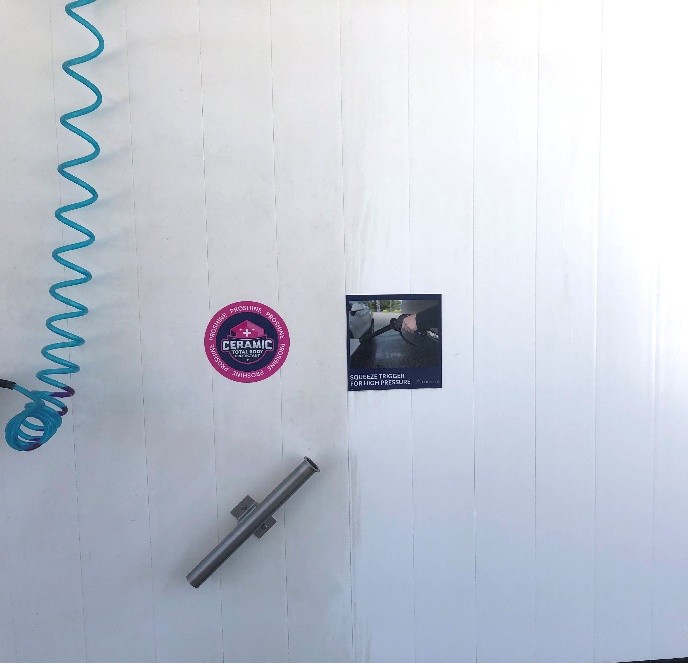
Some supplies that can make wall clean less of a chore:
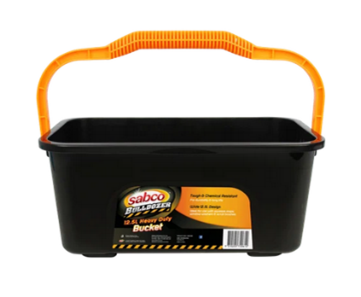
Wide low bucket for easy use and less likely to spill.
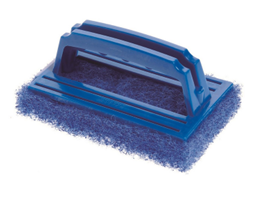
Small scrubber for spot cleaning.
Scrubbing pad with handle connection for whole wall scrub.
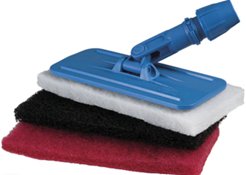
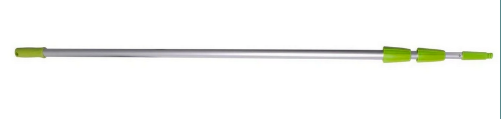
Telescopic handle for use with above pad.
ADDITIONAL SAFETY GUIDANCE FROM OUR IN-HOUSE LABORATORY MANAGER, NIRU
HF-based wall cleaners are highly effective at removing mineral deposits, cement residues, rust stains, efflorescence, and other inorganic contaminants from masonry, brick, concrete, and building surfaces. Due to the hazardous nature of hydrofluoric acid, appropriate precautions must be taken during handling and use.
Personal Protective Equipment (PPE)
Safe Handling
Emergency Preparedness
HF can penetrate skin and cause serious tissue damage. Calcium Gluconate Gel should be readily available wherever HF-containing products are used or stored. In the event of exposure, immediately flush with water, apply Calcium Gluconate Gel as directed, and seek urgent medical attention.
Storage
Always follow site safety procedures and the product SDS when handling HF-based cleaners.